
Sir Alex Ferguson: The Titan Who Shaped Manchester United’s History
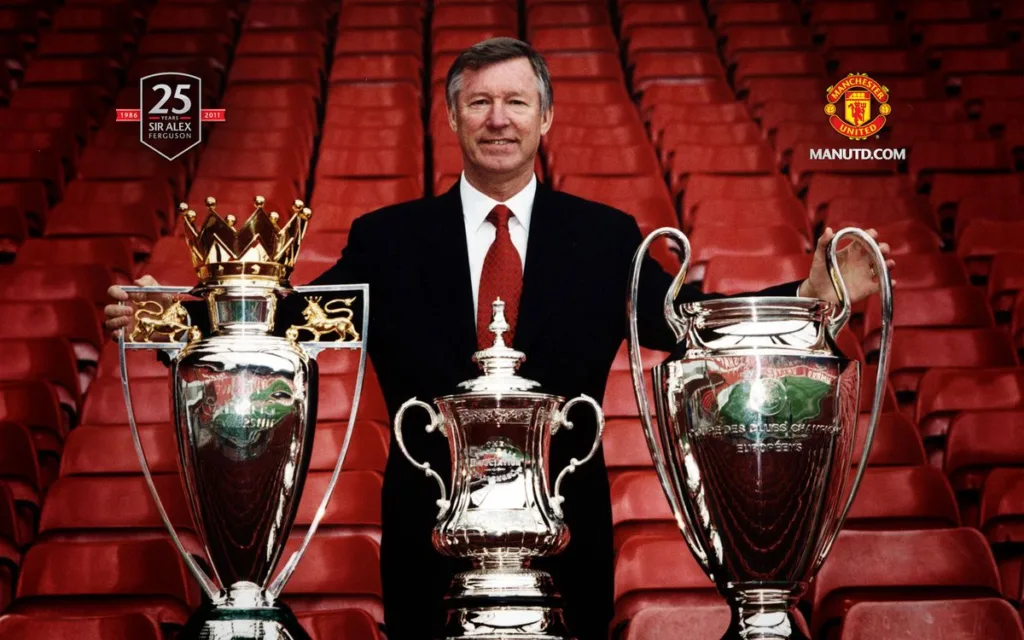
Few names in soccer command as a good deal appreciate as Sir Alex Ferguson. For over 26 years, he instructed Manchester United via glory and turbulence, leaving an indelible mark at the club, the Premier League, and the sport itself. His tenure was a rollercoaster of triumphs, controversies, and unforgettable moments that define modern-day soccer history.
Early Years and Struggle for Dominance
When Ferguson arrived at Old Trafford in November 1986, Manchester United became a club suffering for identity. Success have been scarce; the team had no longer won the league when you consider that 1967. Ferguson confronted immediately stress to restore satisfaction to one of England’s most storied clubs.
The early years have been hard. Despite his visionary method to teens development and tactical innovation, Ferguson’s United first of all floundered. The 1987–88 season saw United end 11th in the league, and there have been whispers that his reign might end upfront. But Ferguson’s resilience and insistence on field began to lay the foundation for something incredible.
Rise to Glory: Premier League Dominance
The Nineteen Nineties marked a turning point. Ferguson nurtured a technology of young skills famously referred to as the “Class of ’ninety two”, along with Ryan Giggs, David Beckham, Paul Scholes, Gary Neville, and Nicky Butt. This funding in youth paid immediate dividends.
1992–93 Premier League Title: Ferguson won his first league championship, ending a 26-year drought and solidifying his status as a tactical genius.
1998–99 Treble: Perhaps the crowning achievement of his career, Manchester United claimed the Premier League, FA Cup, and UEFA Champions League in one unforgettable season. The dramatic Champions League final against Bayern Munich, won with two late goals in injury time, is etched in football lore.
Under Ferguson, United became synonymous with relentless attacking football, mental toughness, and a winning mentality that often saw them snatch victory from the jaws of defeat.
Challenges and Controversies
Even the greatest reigns have shadows. Ferguson’s tenure had its share of struggles:
European Woes: Despite domestic dominance, European success was inconsistent until the late 1990s. Early Champions League exits in 1994 and 1995 caused frustration among fans and players.
High-Profile Fallouts: Ferguson’s strict management style led to clashes with stars. Roy Keane’s confrontations and departures of talented players like Paul Ince and Jaap Stam drew criticism, though Ferguson often defended these decisions as necessary for the team’s cohesion.
Transition Periods: Post-2005, Ferguson faced the challenge of aging squads and emerging competitors like Chelsea and Manchester City, requiring careful squad rebuilds while maintaining dominance.
Legacy and Farewell
Sir Alex Ferguson retired in 2013, leaving behind an unmatched legacy:
13 Premier League Titles
5 FA Cups
2 UEFA Champions League Titles
39 trophies in total, making him the most decorated manager in English football history
His influence extended beyond trophies. Ferguson transformed Manchester United into a global brand, inspired generations of players, and redefined the art of football management.
The Human Side of Ferguson
Beyond tactics and trophies, Ferguson’s story is one of resilience, vision, and leadership. He nurtured talent, demanded excellence, and showed that football is as much about character as it is about skill. His highs and lows—whether lifting trophies or navigating crises—remind fans why he remains an icon of Manchester United and world football.
World Cup 2026 Kits available now at thefootballheritage.Com